
Frame Tents for Sale in South Africa -Clear -Span, No Centre Poles
The frame tent is the product that defines professional outdoor event infrastructure in South Africa. Walk into any large outdoor wedding, exhibition, corporate gala dinner, or trade show setup across the country and the structure overhead is almost certainly a frame tent. The reason is simple: no other tent type gives you a completely unobstructed floor plan from wall to wall, on virtually any surface, with the structural rigidity to handle South African weather conditions across all seasons.
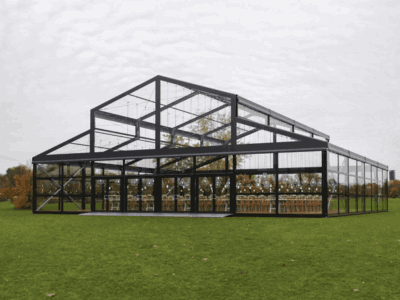
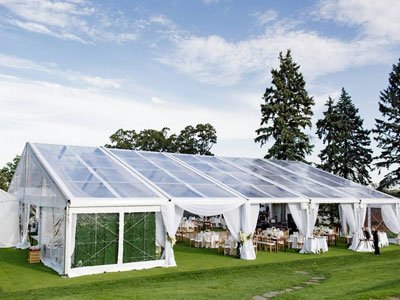
Frame tents have no centre poles. They have no external guy ropes stretching into the area around the tent. They stand independently on their own aluminium or steel framework, which means the entire interior floor area — every square metre of it — is yours to use however the event demands. Tables, staging, dance floors, catering stations, exhibition stands — all of it goes where you need it without working around structural obstacles.
We manufacture frame tents at our South African factory and supply them directly to event hire companies, wedding operators, exhibition companies, construction businesses, government agencies, and private buyers across all nine provinces. This page covers everything you need to know before buying.


How Frame Tents Work — Structure and Design
A frame tent consists of two primary components: the structural framework and the PVC fabric canopy. The framework is assembled from interlocking aluminium or steel tubes using a pin-connect or bolt-together system that does not require specialist tools or equipment. Horizontal ridge beams connect to vertical wall uprights; diagonal bracing members add lateral stability; and the completed frame stands independently before the fabric is attached.
Once the frame is standing, the PVC fabric canopy is pulled over the top and tensioned into position using integrated tension fittings around the frame perimeter. Sidewall panels clip to the frame uprights and are tensioned at the base. The result is a sealed, waterproof, weather-resistant structure that needs no central poles, no external guy ropes, and no foundation.
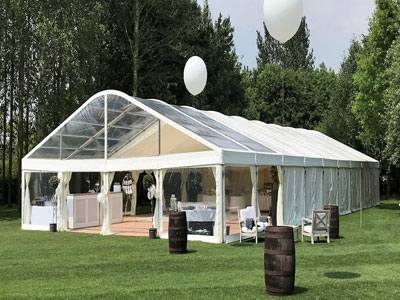
The modular bay system is one of the most practical features of the frame tent design. A 6×6 metre tent becomes a 6×9 metre tent by adding one additional bay frame. Add another and it becomes 6×12 metres. The frame components, fabric panels, and all accessories are consistent across the bay system, which means a tent you buy today can be extended next year without replacing anything you already own.
Anchoring a frame tent to its surface depends on the substrate. On soft ground — grass, compacted soil, sand — steel ground stakes are driven through the frame base anchor points. On hard surfaces — concrete, asphalt, tiles — the tent is secured using ballast weights: heavy steel or concrete masses attached to the frame perimeter that prevent movement in wind without penetrating the surface. We specify the correct anchoring approach for your site when we quote.
Frame Tent Specifications — What You Need to Know
Available Sizes
Our standard frame tent range covers the following widths: 3m, 4m, 5m, 6m, 8m, 9m, 10m, 12m, 15m, 20m, and 25m. All widths are available in modular lengths extending in 3-metre bay increments to any required length. For widths or dimensions outside this range, we manufacture custom configurations at our South African factory with four to six weeks lead time.
Frame Materials
Standard event frame tents: 6061-T6 aluminium alloy. This is the aerospace-grade specification — heat-treated for maximum strength-to-weight ratio with yield strength of approximately 276 MPa. It does not corrode in South African coastal or highveld conditions. It does not require painting or surface treatment beyond the standard mill finish. It will outlast the fabric covering it.
Industrial and storage frame tents: hot-dip galvanised mild steel. The higher density and tensile strength of steel is appropriate for the larger spans, heavier fabric, and continuous-duty use that industrial warehouse tent applications demand. The hot-dip galvanising process — where the steel is immersed in molten zinc — provides superior corrosion protection compared to the electro-plated zinc coating that cheaper steel profiles use.
Fabric Specification
Event frame tent fabric: 650 GSM PVC — polyvinyl chloride fabric with UV stabilisers incorporated during the manufacturing process. Not surface-coated. Not painted. The UV resistance is throughout the material and does not degrade faster than the base fabric. Flame-retardant as standard — no optional upgrade required. All seams high-frequency welded: no needle holes, no stitching, no potential leak points at seam lines.
Industrial storage tent fabric: 750 GSM to 850 GSM PVC — heavier base weight for greater UV resistance, abrasion resistance, and longer service life under continuous outdoor exposure. Heavier-gauge seam welds and reinforced connection points throughout.
Sidewall and Door Options
- Solid white PVC sidewalls — full weather enclosure, maximum privacy, best HVAC performance
- Clear PVC window panel walls — solid PVC base with clear window inserts, natural light with weather protection
- Cathedral window walls — arch-shaped clear panels for a more formal, decorative aesthetic
- Roll-up sides — fabric sidewalls that can be raised and secured for open-air configurations
- ABS hard wall panels — rigid plastic panels for industrial applications requiring maximum impact resistance
- Zippered door panels — single and double entry configurations
- Hinged ABS hard doors — for industrial applications requiring frequent entry and exit
- Roller doors — for forklift and vehicle access in warehouse tent configurations
Eave Height Options
Standard eave height across our event range is 2.2 metres, which provides comfortable headroom for the full interior width. Eave heights of 2.5 metres and 3.0 metres are available on wider configurations (10 metres and above) for applications where the tent needs to accommodate raised staging, suspended lighting rigs, or ceiling draping at the perimeter.
Wind Rating and Anchoring
Our standard event frame tents are rated to 80 km/h wind speed with correct anchoring in place. This covers the full range of South African weather conditions outside of severe storm events. Industrial structures are engineered to 100 km/h and above with appropriate foundation systems. We provide a specific anchoring specification for every installation — ballast weight calculations for hard surface installations and ground stake specifications for soft ground — and do not leave this to guesswork.
Where Frame Tents Are Used in South Africa
Frame tents are the most versatile commercial tent structure available in South Africa. Here is how different sectors use them:
Weddings and Social Events
Frame tents are the first choice for outdoor weddings in South Africa for practical reasons that any experienced wedding planner understands immediately. The unobstructed floor plan allows a completely custom layout — no poles to work around when positioning tables, a dance floor, a stage, and a catering area. The ability to install on hard surfaces means farm houses, urban venues, and residential properties with paved areas are all viable wedding sites. The enclosed configuration with sidewall panels handles South Africa’s unpredictable summer afternoon thunderstorms without disrupting the event.
For a seated wedding dinner of 150 to 200 guests with a dance floor and stage, a 10×24 metre or 10×27 metre frame tent typically provides the right footprint. We work through floor plans with clients before every large event order to confirm sizing.
Exhibitions and Trade Shows
Exhibition companies use frame tents because column-free floor plans are not optional for stand-based exhibitions — they are a fundamental requirement. A 10 metre or 15 metre wide frame tent provides the clear interior that a trade show needs without the compromises of a pole tent design. Multiple frame tents can be joined side by side to create larger continuous floor areas for major exhibitions.
Corporate Events and Functions
Year-end functions, product launches, corporate hospitality at sporting events, team-building weekends, and award ceremonies all use frame tents as temporary venue infrastructure. The ability to brand a frame tent — full sidewall print in corporate colours, valance branding, entrance graphics — makes it a genuine brand activation vehicle as well as a practical shelter.
Construction and Industrial Sites
Construction companies are among our most consistent frame tent buyers. Equipment needs protection from sun and rain on sites where a permanent structure is not yet standing or not viable. A 10×20 metre frame tent provides significant covered storage that can be erected in two days and relocated when the project phase changes. For long-running projects, a well-specified frame tent is a better investment than repeated short-term equipment storage arrangements.
Government and Community Events
Government departments, municipalities, and community organisations use frame tents for National Day events, voter registration drives, community health clinics, outdoor court sessions in remote areas, and community celebrations. We have experience with government procurement processes and can supply the compliance documentation required for formal government purchase orders.
Church and Faith Community Events
Outdoor services, crusades, and community events at South African churches frequently require covered space for hundreds to thousands of attendees. Frame tents in the 10 to 15 metre wide range, extended to the required length in 3-metre bays, provide the acoustically reasonable enclosed space that an amplified service requires. We work with faith communities on sizing, acoustic treatment options, and HVAC configurations for year-round use.
Frame Tent Buying Guide for South African Buyers
Step 1 — Determine Your Required Floor Area
Start with the layout rather than the tent size. Draw out what you need inside the tent: the guest count at a specific table configuration, the staging area, the catering station, the bar. Assign floor area to each element based on the space it actually needs. Add circulation space — a minimum of 1.5 metres between table edges for guest movement. The total of these areas gives you your minimum tent footprint.
As a starting point for seated event planning: a banquet-style dinner (round tables) requires 1.8 to 2.2 square metres per guest not including staging or a dance floor. A theatre-style conference setup requires 1.0 to 1.2 square metres per seat. A cocktail event with standing guests and a few high tables requires 0.8 to 1.0 square metres per person.
Step 2 — Check Your Site Surface and Conditions
The surface your tent will stand on determines the anchoring system and affects some configuration choices. Soft ground (grass, compacted soil, sand) allows conventional ground staking — straightforward and cost-effective. Hard surfaces (concrete, asphalt, paving) require ballast weights. Some sites have mixed surfaces or constraints — a hotel garden with paved paths and planted areas requires careful anchor point planning before the order is confirmed.
Wind exposure also matters. A tent in an exposed coastal location in the Western Cape needs a more robust anchoring specification than one in a sheltered garden in Johannesburg. If your site is wind-exposed, tell us — we will engineer the anchoring specification accordingly.
Step 3 — Choose the Right Frame Material
For event use — weddings, corporate functions, exhibitions — aluminium is the right choice. It is lighter (meaning faster erection and easier transport), corrosion-resistant without maintenance, and entirely adequate for the structural loads that event applications involve. For permanent or semi-permanent industrial storage, construction site use, or applications where very large spans are required, galvanised steel provides the additional structural rigidity and load capacity that aluminium cannot match at equivalent wall thickness.
Step 4 — Confirm Fabric and Sidewall Specification
650 GSM PVC is the standard specification for South African event use. It is the minimum weight we manufacture at because lighter fabrics do not perform acceptably in South African UV and weather conditions. For tents that will spend extended periods outdoors in full sun between uses — event hire company inventory, for example — 650 GSM maintained correctly will reach the ten-year service life we quote. For industrial storage applications, 750 GSM provides additional UV and abrasion resistance appropriate for continuous outdoor exposure.
Sidewall choice is an event decision as much as a technical one. Solid PVC walls create the best enclosed, air-conditioned space. Clear window panels add natural light without sacrificing weather protection. Roll-up sides allow open-air configuration in good weather and full enclosure when needed. Most event hire companies specify a mix: solid PVC for the majority of the perimeter and clear window panels on one or two sides for natural light and guest views.
Step 5 — Plan HVAC Before You Finalise the Order
South Africa’s event season peaks in summer — October through February — when outdoor temperatures make climate control essential for any enclosed event that runs past midday. A frame tent with solid PVC sidewalls can be effectively air-conditioned, but the HVAC system needs to be specified alongside the tent, not arranged as an afterthought on the event day. We include HVAC inlet and outlet port specifications in all event tent orders for enclosed configurations. If you are planning events that will require climate control, tell us when you order so we can configure the sidewall panels accordingly.
What to Watch For When Comparing Frame Tent Suppliers
The South African frame tent market includes a range of product qualities from genuine manufacturer-grade structures at one end to cheap imported tents that look similar in photographs but perform very differently in the field. Here are the questions to ask any supplier:
- What aluminium alloy grade is the frame? 6061-T6 is the quality standard. Lower grades (6005, 6060) are weaker and used in cheaper products. If the supplier cannot tell you the alloy grade, the product is likely lower-grade import stock.
- What is the fabric weight (GSM)? 650 GSM minimum for South African event use. Fabrics below 550 GSM are inadequate for outdoor South African conditions and will show UV degradation within two to three seasons.
- Are the seams welded or stitched? Welded seams are waterproof. Stitched seams leak under sustained rainfall. There is no middle ground on this specification.
- What is the wind rating with proper anchoring? Anything below 70 km/h for a South African event tent is inadequate. Our event tents are rated to 80 km/h and our industrial structures to 100 km/h+.
- Does the supplier manufacture in South Africa or import? Imported tents may look similar but spare parts availability, warranty support, and custom sizing options are all compromised compared to buying from a local manufacturer.
- What is the warranty and what does it cover? A warranty backed by a South African factory means something. A warranty backed by an overseas supplier means very little if something goes wrong.